admin

SUNDAY SCHOOL LESSON PLAN FOR THE MONTH

SUNDAY SCHOOL LESSON PLAN FOR THE MONTH Theme for the Month: Do Unto Others – Teaching Love and Compassion “Do to others as you would have them do to you.” – Luke 6:31 WEEK 1 – Understanding How Teasing Hurts Topic: How Our Words Affect Others Key Verse: Proverbs 12:25 – “Anxiety weighs down the heart, but a kind word cheers it up.” Story Focus: Rumbly is mocked because he wobbles and moves differently. Bible Character: Zacchaeus (Luke 19:1–10) – He was very short, and people looked down on him. Lesson Point: Children will learn that teasing someone because they look or move differently really hurts. Jesus never mocked Zacchaeus—He welcomed him with love. Prayer Focus: God, help us speak words that heal, not hurt. WEEK 2 – Showing Compassion to Those Who Struggle Topic: How Jesus Treats People With Disabilities Key Verse: 1 Peter 3:8–9 – “Be compassionate… do not repay insult with insult.” Story Focus: Rumbly asks Hartlie for help, and Hartlie responds with love and teaching. Bible Character: The Bent-Over Woman (Luke 13:10–17) – Jesus saw her broken body and showed compassion. Lesson Point: Kids will learn how to react when they see someone in a wheelchair, wearing braces, glasses, or with differences. Jesus teaches us to move with compassion, not fear or disgust. Prayer Focus: Lord, give me Your eyes to see people with love. WEEK 3 – God Uses People With Differences Topic: God’s Strength in Weakness Key Verse: Galatians 6:10 – “Do good to all people…” Story Focus: Hartlie teaches the sheep the Golden Rule and the truth. Bible Character: Jacob (Genesis 32:22–31) – Walked with a limp but was still a warrior for God.  Lesson Point: Children will learn that God can use anyone—even those with disabilities—to do amazing things. Differences do not make someone weak in God’s eyes. Prayer Focus: God, help me honor and respect every person You created. WEEK 4 – Learning From Consequences Topic: How God Feels When We Hurt His People Key Verse: Luke 6:31 – “Do to others as you would have them do to you.” Story Focus: The teasing sheep face consequences—they shiver in the cold after their prideful actions. Bible Story Connection: John 9:1–3 – Disability is not a punishment; sometimes it shows God’s glory. Lesson Point: We learn that mocking or hurting God’s special ones has consequences. The sheep hurt Rumbly and ended up hurt themselves. Prayer Focus: God, help me choose kindness every day.

SUNDAY SCHOOL LESSON PLAN FOR THE MONTH Read More »

FOURTH SUNDAY SCHOOL LESSON

FOURTH SUNDAY SCHOOL LESSON THEME FOR THE MONTH: DO UNTO OTHERS – TEACHING LOVE AND COMPASSION “Do to others as you would have them do to you.” – Luke 6:31 LESSON 4: LEARNING FROM CONSEQUENCES   Key Verse: Luke 6:31 – “Do to others as you would have them do to you.” Story Source: To Tease a Bumble (The sheep face the results of their teasing) Bible Connection: John 9:1–3 – God’s glory can shine through anyone Memory Verse: Proverbs 12:25 – “Anxiety weighs down the heart, but a kind word cheers it up.” OPENING PRAYER   “Dear Heavenly Father, thank You for teaching us right from wrong. Help us to remember that our choices matter—and that kindness always brings good things. Amen.” LESSON OBJECTIVES   By the end of today, you will: See that our actions have results—good or not so good. Understand that God cares when we hurt others. Choose to be kind, knowing kindness comes back to us. STORY EXPOSITION   Do you remember the three sheep—Pinky, Pete, and Punky? They teased Rumbly Bummble because he wobbled when he walked. Hartlie warned them. He said, “Sticks and stones may break bones, but words can break a heart.” But the sheep didn’t listen. They kept on teasing. Then something changed. The seasons changed. Summer left. Winter came. The air grew chilly. Frost sparkled on the grass. And the sheep… had no wool. Every year, sheep give their wool to the farmer. It’s how they help. But now, without their coats, they stood in the cold—naked, blue, and shivering. They jumped up and down, trying to get warm. Their teeth chattered. They wobbled and stumbled in the cold. Hartlie and Rumbly watched. Hartlie said softly, “Well, I guess that’s one way God can get you to hush. You forgot about giving your wool away… and now you’re freezing.” The sheep stumbled back to their flock—quiet and humble. No more teasing. No more laughing at Rumbly. They finally understood: How you treat others will always come back to you BIBLE CONNECTION In the Bible, Jesus’ friends once asked Him, “Why was this man born blind? Did he sin?” Jesus said, “No. He was born blind so that God’s works might be displayed in him.” (John 9:3) Jesus didn’t see the blindness as a punishment. He saw it as a chance for God’s love to shine. Just like Rumbly’s wobble wasn’t a mistake—and just like the sheep’s cold wasn’t just about winter— God can use everything to teach us, to change us, and to show His glory. HOW TO TREAT OTHERS GOD’S WAY When we choose kindness, warmth follows. When we choose teasing, cold follows—in our hearts and sometimes in our lives. PAUSE before you speak. Ask: “Would I want someone to say this to me?” CHOOSE words that heal, not hurt. REMEMBER: God sees when we’re kind. And He sees when we’re not. TRUST that kindness comes back like a warm hug. CONCLUSION The sheep learned the hard way. They felt cold because they chose to be cold-hearted. But we don’t have to learn that way. We can choose kindness today. God doesn’t punish to be mean. He teaches because He loves us. And His best lesson is this: Love others, just like you want to be loved. LESSONS DERIVED Our choices have results. Kindness warms hearts; unkindness brings coldness. God cares how we treat others. He teaches us through natural consequences and gentle correction. Kindness always comes back to us, like a circle of love that returns to our own hearts. QUESTIONS What happened to the sheep when winter came? What did Hartlie say about why they were cold? What did Jesus say about the man born blind in John 9? What’s one kind choice you can make this week? PRAYER FOCUS “Dear Jesus, thank You for teaching us through stories and through Your Word. Help me to choose kindness every day. When I want to tease or ignore someone, remind me of the sheep in the cold. Help my heart stay warm with Your love. Amen.”  WEEKLY DEVOTIONAL READING Day Scripture Topic Monday Luke 6:31 Treat others well. Tuesday Proverbs 12:25 Kind words cheer the heart. Wednesday John 9:1–3 God’s glory shines through everyone. Thursday Galatians 6:7 You reap what you sow. Friday 1 Peter 3:9 Bless others, don’t hurt them. Saturday Ephesians 4:32 Be kind and compassionate. Assignment: This week: Watch for someone who might need a friend. Warm their heart with a kind word or deed. Write or draw about what you did—and how it felt. Next Sunday, let’s share how kindness came back to you!

FOURTH SUNDAY SCHOOL LESSON Read More »

THIRD SUNDAY SCHOOL LESSON

THIRD SUNDAY SCHOOL LESSON THEME FOR THE MONTH:DO UNTO OTHERS – TEACHING LOVE AND COMPASSION“Do to others as you would have them do to you.” – Luke 6:31 LESSON 3: GOD’S STRENGTH IN WEAKNESS Key Verse: Galatians 6:10 – “Do good to all people…” Story Source: To Tease a Bummble (Hartlie teaches the sheep the Golden Rule and the truth.) Supporting Bible Character: Jacob (Genesis 32:22–31) – walked with a limp but was still a warrior for God Memory Verse: Luke 6:31 – “Do to others as you would have them do to you.” OPENING PRAYER “Dear Heavenly Father, thank You for today. Open our eyes to see everyone as You see them—special, loved, and wonderfully made. Help us choose kindness, even when others seem different. Amen.”  LESSON OBJECTIVES By the end of today, you will: See how God can use anyone—even those who seem clumsy or weak. Learn from Rumbly and Jacob that being different doesn’t mean being less. Choose to treat everyone with love, respect, and a helping hand. STORY EXPOSITION  It was a hot, dry summer in the Bog. A sticky breeze drifted through the air, and no rain had fallen for weeks. Everything felt crunchy underfoot, dusty and thirsty. This was the world Rumbly Bummble walked through every day on his way to school with his mom. Bummbles have their own special way of walking—they teeter and totter, they weeble and wobble. Sometimes they bump into things, but they don’t get upset. Instead, they laugh and pretend they’re just “bumper car-ing!” They choose joy, even when walking is hard. But not everyone saw it that way. Three sheep named Pinky, Pete, and Punky watched Rumbly and decided to make fun of him. They didn’t see a joyful heart or a brave walk—they only saw someone different. They sang a mean little song, and their laughter wasn’t the kind that makes you smile. It was the kind that stings. Rumbly’s heart sank. He sat right down on the school steps, tears rolling down his cheeks. In a wobbly voice, he asked his mom, “Wh…why are they being so mean to me?” His mom didn’t tell him to be tough. She didn’t ignore his tears. She listened, really listened. Then she said softly, “I don’t know, dear. But I know who can help. Let’s ask Hartlie, our dear Christian brother.” Hartlie came right away. He knelt beside Rumbly, looking into his sad eyes. “You know,” Hartlie said gently, “it’s fine to laugh with someone. But it’s never okay to laugh at someone. When we laugh at others, we’re not being funny—we’re being unkind.” Then Hartlie did something beautiful. He took Rumbly’s hand and prayed, “Dear Heavenly Father, please give me the words to reach those sheep. Soften their hearts with Your love so they won’t make Rumbly weep anymore.” Hartlie went to find Pinky, Pete, and Punky. He looked at them seriously and said, “Listen carefully. Sticks and stones may break bones, but words… words can do something even deeper. They can heal a heart—or break it in two.” But the sheep just snorted. They rolled their eyes and laughed again. They didn’t listen. They didn’t think Hartlie’s words mattered at all. The Sheep Learn A Winter Lesson The sheep kept on teasing. They didn’t change. But something else was changing—the seasons. Slowly, surely, summer faded away. The air grew chilly. Leaves fell, and frost sparkled in the mornings. Winter was coming. Now, every year, sheep give their wool to the farmer. It’s just what they do. But this year, when the cold winds blew, Pinky, Pete, and Punky stood in the pasture with no wool at all. They were naked, shivering, and turning blue. Their teeth chattered so hard they couldn’t even say “baaa.” They jumped up and down, trying to get warm. And as they shook and shivered, something surprising happened—they began to wobble and stumble. They looked unsteady, just like Rumbly often did. But this time, it wasn’t because of how they were made. It was because they were cold, alone, and unprotected. Hartlie and Rumbly watched quietly from a distance. Hartlie whispered, “See that? Sometimes God lets us feel what we’ve made others feel. They forgot about giving their wool away, and now they’re freezing.” The three sheep stumbled back to their flock, humbled and silent. No more teasing. No more laughing at others. They had finally learned the lesson: How you treat others will always, always come back to you. BIBLE CONNECTION Ever feel like you don’t fit in? Ever feel different? Jacob knew that feeling. He wrestled with an angel—and God touched his hip. After that, Jacob walked with a limp.” (Genesis 32:25–31.) But God didn’t turn away. God said, “You are mine. You are strong in Me.” Jacob became a great leader—a father of nations! Just like Jacob… just like Rumbly… God doesn’t see “clumsy” or “slow.” He sees special. He sees strong in Him. HOW TO TREAT OTHERS GOD’S WAY LOOK with love – See the person, not the difference. SPEAK with kindness – No teasing. No mean songs. Use words that heal. HELP with joy – Hold a door. Share a smile. Say, “I’m glad you’re here.” PRAY with God’s heart – Ask Him to help you love others like He does. CONCLUSION Some wobble. Some limp. Some roll. Some sign. But in God’s family—everyone belongs. Rumbly’s walk didn’t make him weak. Jacob’s limp didn’t make him less. The sheep’s winter taught them warmth comes from kindness, not wool. God’s strength shines brightest in what the world calls “weak.” Lessons Derived: God can use anyone—no matter how they walk or talk. Our differences make us uniquely wonderful. Kindness warms. Teasing chills. Choose warmth. QUESTIONS Why did Rumbly cry on the school steps? What did Hartlie say about laughing at someone? What happened to the sheep when winter came? How did God use Jacob even with his limp? What’s one way you can show kindness to someone who seems
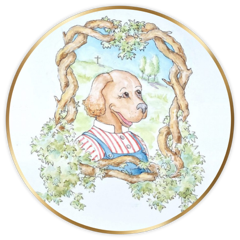
THIRD SUNDAY SCHOOL LESSON Read More »

SECOND SUNDAY SCHOOL LESSON

SECOND SUNDAY SCHOOL LESSON THEME FOR THE MONTH:DO UNTO OTHERS – TEACHING LOVE AND COMPASSION“Do to others as you would have them do to you.” – Luke 6:31   LESSON 2: HOW JESUS TEACHES US TO BE COMPASSIONATE Key Verse: 1 Peter 3:8–9 – “Be compassionate… do not repay insult with insult.”Story Source: To Tease a Bumble (Rumbly asks Hartlie for help after being teased)Supporting Bible Character: The Bent-Over Woman (Luke 13:10–17) – Jesus saw her broken body and showed compassion. Memory Verse: Luke 6:31 – “Do to others as you would have them do to you.” Opening Prayer “Dear Lord, thank You for bringing us together today. Please help us see others with Your eyes, feel with Your heart, and treat everyone with love and compassion. Amen.” Lesson Objectives By the end of today’s lesson, children will: Understand how to show compassion to those who are different or struggling. Learn from Rumbly and the Bent-Over Woman that kindness can heal hearts. Practice empathy, caring, and supportive actions instead of fear or teasing. Story Exposition The Bog was warm and dusty, and little Rumbly Bummble shuffled along with his mom. His legs wobbled, tottered, and sometimes he tripped over sticks. It made him feel clumsy and unsure, especially when some of the other critters teased him. Rumbly felt his little heart tighten. “Why do I wobble like this?” he whispered to himself. “Why do some critters laugh at me for being different?” He thought for a moment and then said to his mom, “I wish someone would help them understand. I wish I could show them that everyone is special, no matter how they look or move.” His mom smiled gently and said, “Let’s ask Hartlie. He will help you understand—and maybe teach others to be kind too.” Rumbly found Hartlie and shared his worries. Hartlie listened carefully, his eyes kind and warm. “Rumbly,” he said, “some people tease because they do not understand. But God teaches us to show love, even when others are unkind. Just like Jesus showed compassion to the woman who was bent over and could not stand up straight, we too can choose to help and care for others.” Rumbly’s eyes brightened. He realized that even if others laughed at him, he could respond with kindness. Together, Hartlie and Rumbly prayed for courage and compassion. When they returned to the schoolyard, Rumbly felt ready to show others the Golden Rule: treat everyone as you want to be treated. Bible Connection The Bent-Over Woman: Jesus saw her struggle and healed her, showing us how to respond with love and care. (Luke 13:10–17). Rumbly and Hartlie: Rumbly asked for help and learned to show compassion, just like Jesus. Both stories teach children to notice when someone is struggling and to respond with love, not fear or teasing. How to Treat Others God’s Way Notice when someone is struggling – Look with eyes of love. Use kind words – Encourage and cheer others up. Offer help – A hand, a smile, or a kind gesture can make a big difference. Pray for others – Ask God to help you love everyone, even those who are mean. Conclusion Some people might wobble, walk differently, or look different. That’s okay! God wants us to respond with compassion, not fear or laughter. Rumbly learned that asking for help and showing kindness changes hearts. The Bent-Over Woman reminds us that Jesus cares for everyone, no matter how they struggle. Lessons Derived: Compassion is stronger than teasing. Everyone deserves love, care, and respect. Showing kindness can help heal hearts. Questions How did Rumbly feel when others teased him? What did Hartlie teach Rumbly about helping and loving others? How did Jesus show compassion to the Bent-Over Woman? What are some ways you can be kind to someone who looks or moves differently?  Prayer Focus “Lord Jesus, thank You for helping me see others with Your heart. Teach me to show love, help those who struggle, and be compassionate every day. Amen.” Weekly Devotional Reading Day Scripture Topic Monday 1 Peter 3:8–9 Be compassionate and forgiving. Tuesday Luke 6:31 Treat others as you want to be treated. Wednesday James 2:8 Love your neighbor as yourself. Thursday Proverbs 12:25 Kind words cheer the heart. Friday Galatians 6:10 Do good to everyone. Saturday 1 Peter 4:8 Love covers over a multitude of sins. Assignment This week, notice someone who might struggle or look different: Draw or write about them. Think of one way to help or encourage them. Next Sunday, share your act of compassion or what you learned.

SECOND SUNDAY SCHOOL LESSON Read More »

FIRST SUNDAY SCHOOL LESSON

FIRST SUNDAY SCHOOL LESSON THEME FOR THE MONTH:DO UNTO OTHERS – TEACHING LOVE AND COMPASSION“Do to others as you would have them do to you.” – Luke 6:31 LESSON 1: HOW OUR WORDS AFFECT OTHERS  Key Verse: Proverbs 12:25 – “Anxiety weighs down the heart, but a kind word cheers it up.”Story Source: To Tease a Bumble (Rumbly is teased by Pinky, Pete, and Punky)Supporting Bible Character: Zacchaeus (Luke 19:1–10) – He was very short, and people looked down on him.Memory Verse: Luke 6:31 – “Do to others as you would have them do to you.” Opening Prayer: “Dear Lord, thank You for bringing us together today. Please help us understand how our words and actions affect others. Teach us to show love, kindness, and compassion to everyone. Amen.” Lesson Objectives: By the end of today’s lesson, children will: Feel and understand how teasing hurts. Learn from Rumbly and Zacchaeus that unkind actions can make hearts heavy. Practice showing kindness, encouragement, and compassion instead of teasing. Story Exposition: In the sunny Bog, little Rumbly Bummble shuffled along with his mom. His legs wobbled and tottered, and sometimes—oops!—he bumped into sticks and stones. “Steady, Rumbly,” whispered his mom, giving him his lunch money. But oh no! Three cheeky sheep—Pinky, Pete, and Punky—were waiting by the school gate. They giggled and whispered to each other, ready to tease. “Look at Rumbly wobble-wobble-wobble!” they sang, hopping and laughing. Rumbly’s cheeks turned red. His tummy twisted. His little heart felt so heavy. He wanted to disappear. Kids, teasing is when someone says or does something to make another person feel small, embarrassed, or hurt. Maybe you’ve felt it when: A friend laughed when you tripped. Someone made fun of your drawing. A classmate called you a silly name. Rumbly felt sad, embarrassed…and alone. But guess what? Even in tough times, God sees us. Just like Rumbly asked Hartlie for help, Zacchaeus wanted to see Jesus even though people looked down on him. Zacchaeus was very short, but he didn’t let fear stop him. He climbed a tree to see Jesus—and Jesus welcomed him with love. Both Rumbly and Zacchaeus felt small and hurt, but God saw their hearts. He cares about everyone, no matter how different they look or move. Bible Connection: Zacchaeus trusted Jesus even though people made fun of him. Rumbly turned to Hartlie, showing we can ask God for help when we feel hurt. Both stories teach us that God sees our pain and wants us to treat others with love. How to Treat Others God’s Way: Think First: Pause and ask, “Would I like this if it happened to me?” Speak Kind Words: Encourage, cheer, smile—don’t laugh at mistakes. Be Compassionate: Notice if someone is sad; offer a hand or a hug. Pray for Others: Ask God to bless everyone, even those who are unkind. Conclusion: Teasing is like throwing stones at someone’s heart. Ouch! It leaves marks that can make people feel small. Rumbly felt sad, but Hartlie showed him God’s love and taught the sheep a lesson. Zacchaeus’ story reminds us that God sees the hurt and guides hearts toward kindness. Lessons Derived: Teasing and unkind words hurt. God wants us to treat others with love and compassion. Our words can cheer someone’s heart—or make it heavy. Choose kindness! Questions: Why did Pinky, Pete, and Punky tease Rumbly? How did Rumbly feel when teased? How is Rumbly’s experience similar to Zacchaeus’ story? What are some ways you can show kindness instead of teasing? Prayer Focus: “Lord Jesus, thank You for loving me even when I make mistakes. Help me speak kind words, treat everyone the way I want to be treated, and show compassion to all. Amen.” Weekly Devotional Reading: Day Scripture Topic Monday Proverbs 12:25 Words can hurt or cheer. Tuesday Luke 6:31 Treat others as you want to be treated. Wednesday James 2:8 Love your neighbor as yourself. Thursday 1 Peter 3:8–9 Be compassionate and forgiving. Friday Galatians 6:10 Do good to everyone. Saturday 1 Peter 4:8 Love covers over a multitude of sins. Assignment: This week, notice when someone is teased or made fun of. Draw or write: Who was teased? How did it make them feel? How could you help or show kindness? Next Sunday, share one act of kindness you did or witnessed.

FIRST SUNDAY SCHOOL LESSON Read More »

Sunday School Lesson Plan for the Month

Sunday School Lesson Plan for the Month Theme for the Month: The Power of Forgiveness “If you hold anything against anyone, forgive them, so that your Father in Heaven may forgive you your sins.” – Mark 11:25 Week 1: The Weight of Guilt  Key Verse: “If we confess our sins, He is faithful and just and will forgive us our sins.” 1 John 1:9 – Story Source: Flying is for the Birds (Carpie, Lashley, and Hartlie) – Supporting Bible Story: Adam and Eve Hide from God (Genesis 3:1-10) – Story Connection: Lashley swallowed the minnow by mistake and hid it, carrying guilt for years. Like Adam and Eve hiding from God, guilt weighed him down until it stole his joy. Supporting Verses: Psalm 86:5, Proverbs 28:13, Psalm 32:3-5 Week 2: Choosing Repentance Key Verse: “Forgive as the Lord forgave you.” – Colossians 3:13 – Story Source: Flying is for the Birds (Carpie goes back to the minnows) – Supporting Bible Story: Zacchaeus Changes His Heart (Luke 19:1-10) – Story Connection: Carpie realized his mistake and went back to apologize to the minnows, just like Zacchaeus repaid those he cheated. Repentance means turning from wrong and making things right. Supporting Verses: 1 John 1:9, Psalm 103:8, Mark 11:25 Week 3: God’s Forgiveness Frees Us Key Verse: “When you stand praying, if you hold anything against anyone, forgive them.”- Mark 11:25 Story Source: Flying is for the Birds (Hartlie comforts Lashley) – Supporting Bible Story: The Prodigal Son (Luke 15:11-24) – Story Connection: Hartlie listened and reminded Lashley of God’s forgiveness, lifting his sadness. Like the Prodigal Son, Lashley learned God’s love restores us when we return. Supporting Verses: Psalm 103:12, Ephesians 4:32, 1 John 1:9 Week 4: Soaring in Grace (Forgiving Ourselves) Key Verse: “Be kind and compassionate to one another, forgiving each other, just as in Christ God forgave you.” – Ephesians 4:32 – Story Source: Flying is for the Birds (Lashley forgives himself and flies again with rosy pink glow) – Supporting Bible Story: Jesus Forgives Peter (John 21:15-17) – Story Connection: Lashley finally forgave himself and was free to fly again, glowing with joy. Peter, too, had to forgive himself after denying Jesus. Forgiveness isn’t complete until we accept God’s grace and forgive ourselves. Supporting Verses: Romans 8:1, John 3:16, Psalm 86:5

Sunday School Lesson Plan for the Month Read More »

FOURTH SUNDAY LESSON

FOURTH SUNDAY LESSON Theme for the Month: THE POWER OF FORGIVENESS “If you hold anything against anyone, forgive them, so that your Father in Heaven may forgive you your sins.” – Mark 11:25 Lesson 4: Seize the Day — Living Free in Forgiveness Definition- Carpie Diem- “seize the day-“a latin phrase used to urge someone to make the most of the present time. Key Verse: “This is the day the Lord has made; let us rejoice and be glad in it.” – Psalm 118:24 Story Source: Flying is for the Birds (Lashley forgives himself, flies again with rosy pink glow), Supporting Bible Story: Jesus Forgives Peter (John 21:15-17) , Memory Verse: “There is now no condemnation for those who are in Christ Jesus.” – Romans 8:1 Opening Prayer “Dear Lord, thank You for this new day. Please help me not to waste time feeling sad or stuck in the past. Teach me to forgive, to smile, and to live free in Your love. Amen.” Lesson Objectives By the end of today’s lesson, children will: Understand that regret (feeling sad over past mistakes) can steal our joy. Learn from Lashley’s story that forgiving ourselves brings freedom. See that Peter also had to forgive himself to move forward with Jesus. Know that “seize the day” means making the most of today with joy, love, and forgiveness. Story Exposition In the story Flying is for the Birds, Lashley carried guilt for a very long time. He always thought about the minnow he had swallowed, and it made him feel heavy inside. His feathers turned gray, his heart grew sad, and he no longer enjoyed flying like the other birds. Why? Because Lashley kept looking back instead of moving forward. He wasted many years living in regret instead of living in joy. But when Hartlie came alongside him, he reminded Lashley of God’s forgiveness. Lashley finally forgave himself. 21Then something amazing happened—his feathers turned rosy pink, his heart grew light, and he soared into the sky again! This part of the story teaches us two things: If we refuse to forgive ourselves, regret will weigh us down. It’s like trying to fly with a heavy stone tied to your wings. If we forgive and let go, we can truly live free. We can “seize the day” and enjoy the time God gives us. The Bible gives us the same lesson through Peter. After Peter denied Jesus three times, he was full of regret. He cried bitterly because he thought he had failed. If Peter had stayed stuck in regret, he would never have been able to serve Jesus again. But Jesus forgave him and gave him new work: “Feed my sheep.” (John 21:15–17). Peter had to forgive himself too, so he could move on and live boldly for God. God’s Word reminds us: “God is forgiving and good, abounding in love.” (Psalm 86:5) “For God so loved the world that He gave His only Son.” (John 3:16) “This is the day the Lord has made; let us rejoice and be glad in it.” (Psalm 118:24) How We Can Seize the Day in God’s Forgiveness Forgive Quickly – Don’t hold on to hurt or guilt. Live Joyfully – Remember each day is God’s gift; be thankful. Love Others – Show kindness, like Hartlie did to Lashley. Forgive Yourself – Don’t waste your life in regret; move forward with God’s love. Conclusion Regret is like carrying a heavy backpack every day—it makes life hard and tiring. Lashley wasted years stuck in guilt. But when he forgave himself, he was free to soar. Peter too was restored and went on to do great things for Jesus. God calls us to seize the day—not to waste time in sadness, but to live free, happy, and full of love. Lessons Derived Forgiving ourselves is part of living in God’s grace. Regret steals our joy, but forgiveness gives us freedom. Every day is a gift from God—live it fully! Questions What happened to Lashley when he finally forgave himself? What does “seize the day” mean? How did Peter move on after denying Jesus? (Reflection) Can you think of something you need to let go of, so you can live with joy today? Prayer Focus “Lord, thank You for forgiving me. Help me not to waste my days in guilt or regret. Teach me to forgive myself and others, and to live each day with joy. Amen.” Weekly Devotional Reading Day Scripture Topic Monday John 21:15–17 Jesus forgives Peter.   Tuesday Psalm 86:5 God is forgiving and full of love.   Wednesday John 3:16 God’s love saves us.   Thursday Romans 8:1 No condemnation in Christ.   Friday Psalm 118:24 Rejoice in today.   Saturday Philippians 4:4 Rejoice in the Lord always.   Assignment This week, don’t waste time looking back with regret. Write in your devotion journal one way you will seize the day—live with joy, forgive, or show love. Then share it with your class next Sunday.

FOURTH SUNDAY LESSON Read More »

THIRD SUNDAY LESSON

THIRD SUNDAY LESSON Theme for the Month: THE POWER OF FORGIVENESS  “If you hold anything against anyone, forgive them, so that your Father in Heaven may forgive you your sins.” — Mark 11:25   Lesson 3: God’s Forgiveness Frees Us Key Verse: “When you stand praying, if you hold anything against anyone, forgive them.” — Mark 11:25 Story Source: Flying is for the Birds (Hartlie comforts Lashley) Supporting Bible Story: The Prodigal Son (Luke 15:11-24) Memory Verse: “As far as the east is from the west, so far has He removed our sins from us.” — Psalm 103:12 Opening Prayer “Dear Lord, thank You for loving me and forgiving me. Please help me forgive others and also forgive myself, so my heart can be happy and free. Amen.” Lesson Objectives By the end of today’s lesson, children will: Understand that guilt (the sad, heavy feeling when we do something wrong) makes us unhappy. See how Hartlie reminded Lashley that God forgives. Learn that when God forgives us, we are free and full of joy. Story Exposition In the story Flying is for the Birds, Lashley had carried guilt for a long time. Guilt is the sad and heavy feeling we get when we do something wrong and try to hide it. Lashley remembered the day he swallowed a little minnow by mistake; he never told the truth and never forgave himself. Because of this, Lashley became sadder every year, His feathers turned gray. He lost the joy of flying. One day, while Lashley was crying by a log, his friend Hartlie comforted him. Lashley finally confessed the secret about the minnow. Even though he had asked God for forgiveness, he still felt too bad to forgive himself. Hartlie kindly reminded him of 1 John 1:9: “When we confess our sins, God forgives us.” He told Lashley that if God has already forgiven him, he doesn’t need to keep punishing himself. Upon hearing this, Lashley felt the heavy load lift. His feathers even started to shine pink again, and he felt ready to fly with joy. Bible Connection: The Prodigal Son (Luke 15:11-24) The Bible shows us this same freedom in the story of the Prodigal Son. The son made many bad choices and wasted his father’s money. He felt so guilty that he believed his father would never take him back. However, when he returned home, his father ran to him, hugged him, and forgave him completely. Just like Lashley, the son was freed from his guilt to live in joy again. How We Can Receive and Share God’s Forgiveness Believe God’s Word: Trust that when you confess, God has truly forgiven you. Forgive Yourself: Do not keep feeling guilty after God has provided forgiveness. Forgive Others: Show kindness and forgive your friends and family. Conclusion Forgiveness is powerful because it makes heavy hearts light. Guilt grows heavier when we hide it, but accepting God’s love brings freedom. When we accept that we are forgiven, we can live in peace and joy. Lessons Derived God’s forgiveness takes away guilt and brings joy. We should forgive ourselves and others because God forgives us. Guilt grows heavier when we hide it, but forgiveness makes us free. Questions Why was Lashley so sad in the story? What did Hartlie remind him about God’s forgiveness? How did the Prodigal Son’s father show forgiveness? (Reflection) Have you ever found it hard to forgive yourself? What helped you? Prayer Focus “Lord, thank You for forgiving me. Please help me forgive others and forgive myself, so I can live with peace and joy.”   Weekly Devotional Reading Day Scripture Topic Monday Luke 15:11–13   The son makes wrong choices.   Tuesday Luke 15:14–16   He suffers because of his mistakes.   Wednesday Luke 15:17–19   He decides to go back home.   Thursday Luke 15:20   The father runs to forgive him.   Friday Luke 15:21–24   The son is restored with joy.   Saturday Psalm 103:12   God removes our sins far away.     Assignment Hartlie showed love by listening and reminding Lashley of God’s Word. This week, find a friend or family member who feels sad or guilty. Be kind to them, remind them that God loves and forgives them, and write about it in your devotion journal.

THIRD SUNDAY LESSON Read More »

SECOND SUNDAY LESSON

SECOND SUNDAY LESSON Theme for the Month: THE POWER OF FORGIVENESS “If you hold anything against anyone, forgive them, so that your Father in Heaven may forgive you your sins.” — Mark 11:25 Lesson 2: Choosing Repentance   Key Verse: “Forgive as the Lord forgave you.” — Colossians 3:13  Story Source:Flying is for the Birds (Carpie goes back to the minnows) Supporting Bible Story: Zacchaeus Changes His Heart (Luke 19:1-10) Memory Verse: “Forgive as the Lord forgave you.” — Colossians 3:13 Opening Prayer   “Dear Lord, when I do something wrong, help me to be honest. Teach me not only to say ‘I’m sorry’ but also to show it with my actions. Amen.” Lesson Objectives   By the end of today’s lesson, children will: Understand that repentance means saying sorry and showing it by doing right. See how Carpie showed repentance by going back to the minnows. Learn from Zacchaeus that a changed heart leads to changed actions. Story Exposition   In the story Flying is for the Birds, Carpie and Lashley made a terrible mistake while playing a game with the little minnow. Lashley swallowed the minnow by accident. The two friends were so shocked and afraid. When the other minnows came looking, both Carpie and Lashley lied and pretended they didn’t know anything. But things didn’t stay the same. Carpie’s heart felt heavy, and he cried when he got home. He later told his mother the truth. That was the beginning of his healing. Still, he felt in his heart that he needed to do more. He couldn’t just keep quiet—he had to face the minnows and make things right.   So Carpie went back to the minnows. He admitted what he had done wrong. He didn’t hide it anymore. He asked for their forgiveness. This was not easy; saying “I’m sorry” takes courage. But when he confessed, the minnows forgave him, and Carpie’s heart became light again.   That is what repentance looks like. It is more than just words. It is turning away from wrong and making a change. Carpie didn’t just feel bad—he went back to fix what he could.   Bible Connection: Zacchaeus (Luke 19:1-10)   The Bible gives us another example in Zacchaeus. Zacchaeus was a tax collector who took money unfairly from people. Everyone disliked him. But when Jesus came to his town, Zacchaeus climbed a tree just to see Him. Jesus looked up and said, “Zacchaeus, come down. I must stay at your house today. That love changed Zacchaeus’ heart! He said, “Lord, I will give half of my money to the poor, and if I have cheated anyone, I will pay them back four times as much.” Just like Carpie, Zacchaeus showed his repentance by action. He didn’t just say “sorry”—he changed what he was doing wrong. How We Can Show Repentance   Say “I’m Sorry” Honestly – Repentance starts with truthful words.  Fix What You Can – If you broke someone’s toy, help repair it or replace it. 44If you hurt someone, show kindness to make it right. Change Your Ways – Decide not to do the wrong thing again. Conclusion   Repentance is like turning around when you are going the wrong way. Carpie turned around when he went back to the minnows. Zacchaeus turned around when he gave back money and helped the poor. When we truly repent, our hearts change, our actions change, and God forgives us. Repentance brings freedom, peace, and joy. Lessons Derived   Repentance is more than words—it is actions that show change. When we repent, God forgives and gives us peace. Questions   What did Carpie do to show repentance in the story? How did Zacchaeus prove that his heart had changed? (Reflection) Can you think of a time when you not only said “I’m sorry” but also tried to make things right? Prayer Focus   “Lord, help me to always repent when I do wrong. Teach me to be honest, to make things right, and to walk in Your forgiveness.” Weekly Devotional Reading Day Scripture Topic Monday Luke 19:1–4 Zacchaeus wants to see Jesus. Tuesday Luke 19:5–7 Jesus calls Zacchaeus. Wednesday Luke 19:8 Zacchaeus repents and makes things right. Thursday Luke 19:9–10 Jesus brings salvation to his house. Friday Psalm 103:8 God is merciful and forgiving. Saturday 1 John 1:9 God forgives when we confess. Assignment This week, if you do something wrong, don’t just say “sorry.” Find one way to make it right. Write it in your devotion journal and bring it next Sunday. Would you like me to help you draft a response to the reflection question or create a template for the devotion journal assignment?

SECOND SUNDAY LESSON Read More »

FIRST SUNDAY LESSON

FIRST SUNDAY LESSON Theme for the Month: THE POWER OF FORGIVENESS
“If you hold anything against anyone, forgive them, so that your Father in Heaven may forgive you your sins.” – Mark 11:25 Lesson 1: The Weight of Guilt Key Verse:
“If we confess our sins, He is faithful and just and will forgive us our sins.” – 1 John 1:9 Story Source: Flying is for the Birds (Carpie, Lashley, and Hartlie)
Supporting Bible Story: Adam and Eve Hide from God (Genesis 3:1–10) Memory Verse:
“If we confess our sins, He is faithful to forgive us.” – 1 John 1:9 Opening Prayer “Dear Lord, when I do something wrong, help me not to hide. Teach me to come to You, to say I’m sorry, and to receive Your forgiveness. Amen.” Lesson Objectives By the end of today’s lesson, children will: Know that guilt feels heavy and makes us sad. See how Lashley carried guilt for a long time. Understand that God forgives us when we confess our sins. Story Exposition In the story Flying is for the Birds, Carpie and Lashley played a game with a tiny minnow. But something went wrong—Lashley swallowed the minnow by mistake! Both of them were afraid. When the other fish asked about the missing minnow, they lied and said they didn’t know. From that day, things changed. Carpie cried and later told his mother the truth. He found peace when he turned to God. But Lashley kept the secret inside. His heart grew heavy with guilt. Over the years, he became sad, his feathers turned gray, and he even lost the joy of flying. This shows us something important: guilt grows heavier when we try to hide our mistakes. But God doesn’t want us to hide—He wants us to come to Him. We see the same truth in the Bible. Adam and Eve disobeyed God and then tried to hide among the trees (Genesis 3:1–10). But God called out, “Where are you?” He already knew what they had done. God wanted them to come to Him, not stay hidden. How We Can Obey God When We’ve Done Wrong   Tell the Truth Quickly – Don’t hide. Bring it to God and, if needed, to others. Say You’re Sorry – Use honest words to show you mean it. Accept God’s Forgiveness – Believe that when you confess, God makes your heart clean and light again. Conclusion Guilt is like carrying a heavy backpack everywhere you go. It slows you down and makes you sad. But when we confess to God, He forgives us and takes the heavy load away. Carpie confessed and found peace. Lashley carried guilt for years—but we don’t have to. God invites us to come quickly and be free. Lessons Derived Hiding sin only makes guilt heavier. Confession brings forgiveness, peace, and joy. Questions What mistake did Lashley and Carpie make in the story? How can we get rid of the heavy feeling of guilt? (Reflection) Tell of a time you did something wrong and admitted it. What happened? How did you feel? Prayer Focus “Lord, help me to confess quickly when I do wrong. Take away the heavy feeling of guilt and give me peace.” Weekly Devotional Reading   Day Scripture Topic Monday Genesis 3:1–6 Adam and Eve disobey God. Tuesday Genesis 3:7–10 They hide from God. Wednesday Psalm 32:3–5 Confession brings forgiveness. Thursday Proverbs 28:13 Hiding sin brings trouble. Friday 1 John 1:9 God forgives when we confess. Saturday Psalm 86:5 God is forgiving and full of love. Assignment   Hartlie as careful to notice Lashley was crying and alone. He helped his friend by listening and sharing God’s Word about forgiveness. This week, look for one friend or family member you can help the same way — by showing love and encouragement. Write about it in your devotion journal and bring your story next Sunday.

FIRST SUNDAY LESSON Read More »